Factors That Affect Structural Steel Fabrication Costs in 2026
Reading time: 9 minutes
Ever opened a steel fabrication quote and wondered why two nearly identical projects landed on wildly different price tags? You’re not alone. Steel pricing feels like a black box to most project owners, architects, and even seasoned general contractors. Let’s pull back the curtain and break down exactly what’s driving fabrication costs this year.
Table of Contents
- The 2026 Steel Market Snapshot
- Core Cost Drivers You Can’t Ignore
- Labor and Shop Efficiency Factors
- Design Complexity and Engineering Decisions
- Regional and Logistics Considerations
- Cost Comparison Table
- Common Challenges and How to Solve Them
- FAQs
- Your Roadmap Forward
The 2026 Steel Market Snapshot
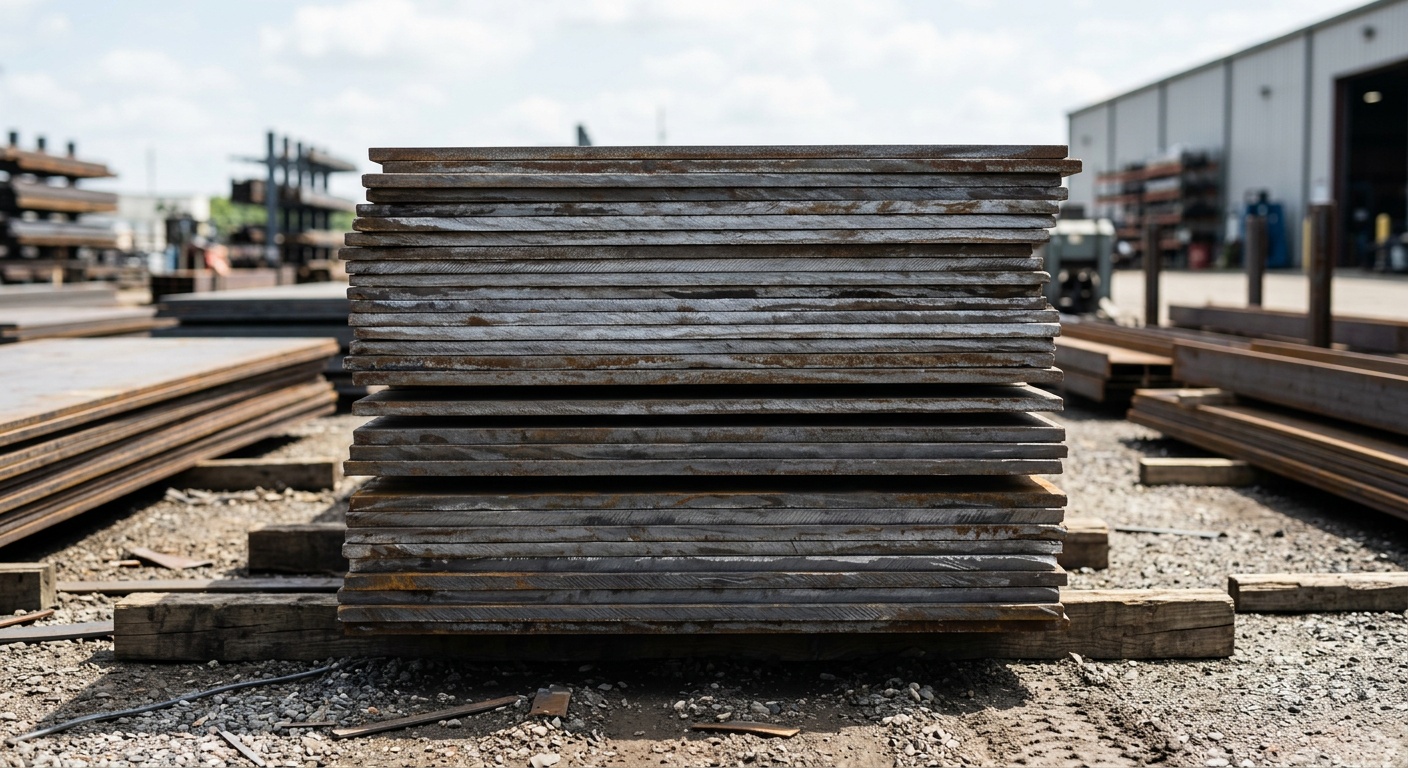
Structural steel pricing in 2026 sits at an interesting crossroads. After the volatility of the early 2020s, domestic hot-rolled coil prices have stabilized somewhat, hovering between $780 and $920 per ton depending on region and mill capacity. But stability at the mill level doesn’t mean predictability at the fabrication shop level—labor shortages, energy costs, and tariff adjustments continue to inject uncertainty into final project bids.
According to the American Institute of Steel Construction, fabrication capacity utilization across North American shops averaged 78% in early 2026, up from 71% the prior year. That tighter capacity means shops are pickier about which jobs they take, and pricing reflects it. As one Midwest fabrication shop owner told a trade publication earlier this year, “We’re not just quoting steel anymore—we’re quoting our calendar.”
Core Cost Drivers You Can’t Ignore
Before diving into the nuances, here’s the straight talk: structural steel fabrication cost isn’t one number—it’s a stack of interconnected variables. Understanding each layer helps you negotiate smarter and budget more accurately.
Raw Material Volatility
Steel mill pricing still swings with scrap availability, energy costs, and international trade policy. In 2026, tariff adjustments on imported steel from several Asian markets have pushed some fabricators back toward domestic mills, which—despite higher base pricing—offer more predictable lead times. A single percentage shift in tariff rates can move a mid-sized commercial project’s steel budget by tens of thousands of dollars.
Shop Capacity and Lead Times
This is the factor most owners underestimate. When shops are booked solid, they price in a premium for squeezing your job into the schedule—or they simply decline smaller projects altogether. Booking fabrication capacity 4-6 months ahead has become standard practice for mid-size commercial builds this year, compared to 2-3 months just a few years ago.
Connection Design Complexity
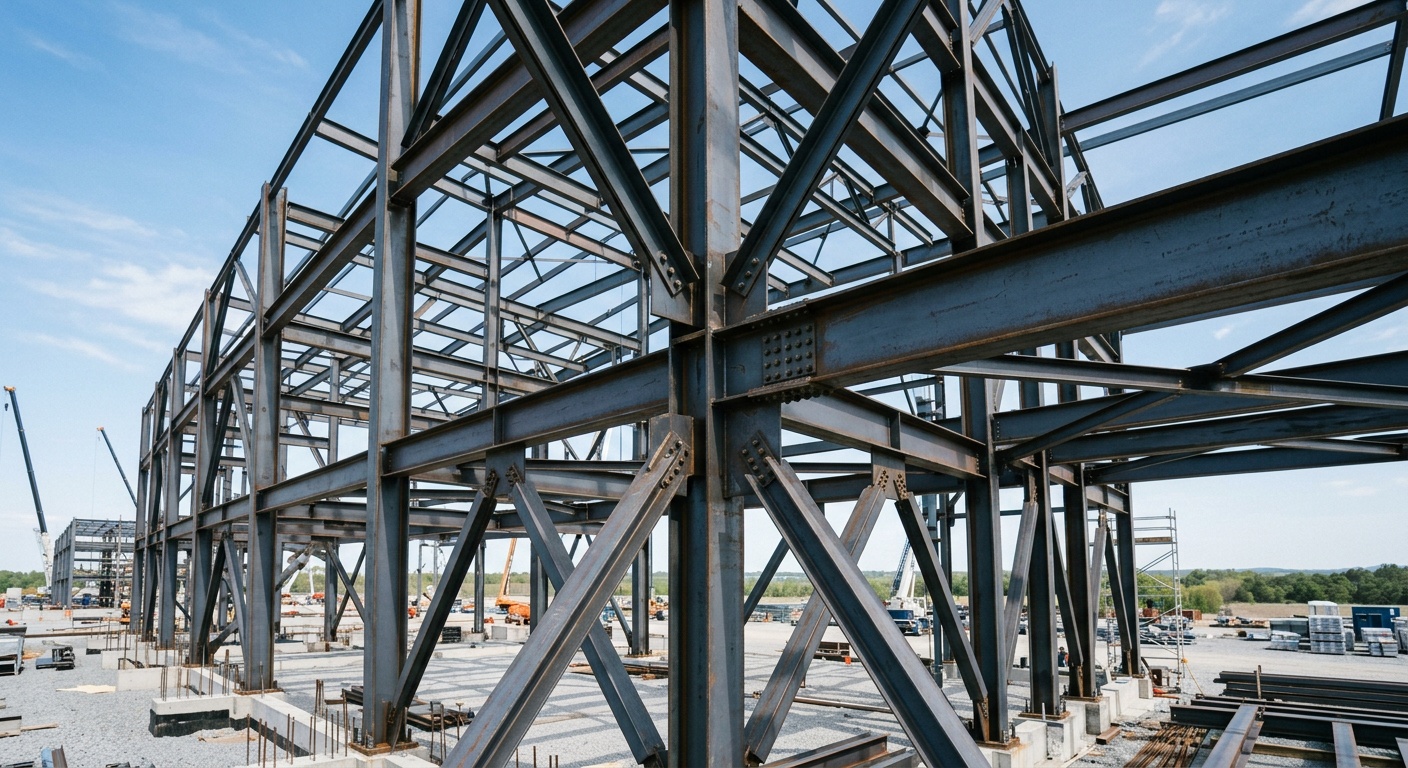
Bolted versus welded connections, moment frames versus simple shear connections—these engineering choices dramatically affect shop hours. A building with heavily optimized, repetitive connections can shave 15-20% off fabrication labor compared to a design with dozens of unique, custom connection details.
Labor and Shop Efficiency Factors
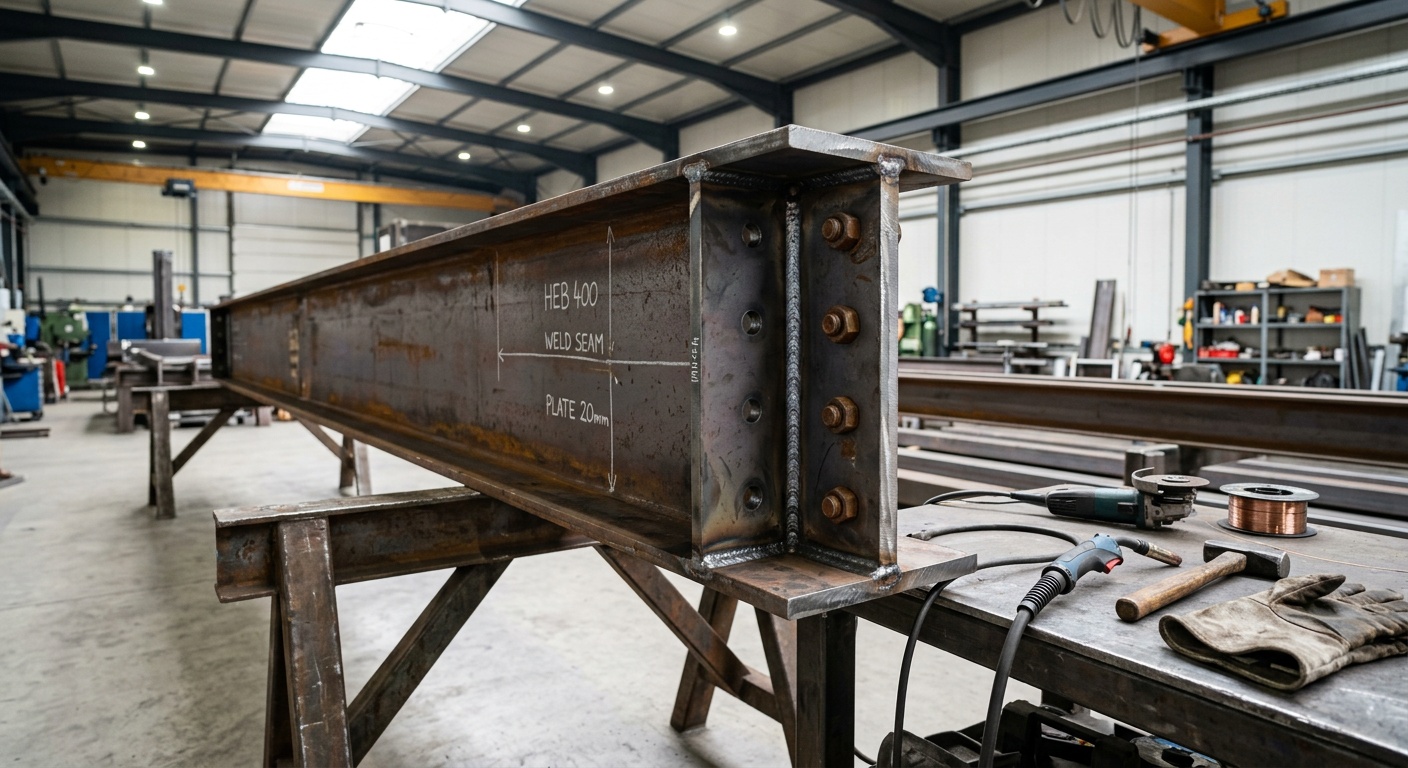
Skilled welders and certified fabricators remain in short supply. The Bureau of Labor Statistics projects continued tightness in metal fabrication trades through 2027, with wage growth in the sector outpacing general manufacturing wage growth by nearly two percentage points in 2025-2026. Shops that have invested in robotic welding cells and CNC plasma cutting are passing along efficiency gains, but that automation itself carries capital costs that eventually surface in per-ton pricing.
Quick Scenario: Imagine you’re managing a five-story mixed-use development. Your structural engineer specs a design with standard W-shapes and repetitive bay spacing. Because the fabricator can run the same cutting and drilling program repeatedly, shop hours per ton drop significantly compared to a building with varied floor plates on every level. That efficiency translates directly into a lower fabrication quote—often 8-12% lower on comparable tonnage.
Automation’s Growing Role
More shops in 2026 are running automated beam lines and robotic welding for repetitive members. This shifts cost structures: higher upfront shop investment, but lower marginal labor cost per piece. Projects with standardized, repeatable elements benefit most from this trend, while highly custom architectural steel still leans heavily on manual craftsmanship—and manual craftsmanship costs more.
Design Complexity and Engineering Decisions
Architectural ambition has a price. Exposed steel, curved members, cambered beams, and custom architecturally-expressed connections all require more detailing hours, more careful shop drawings, and often more rework during quality control. A project with heavy architectural exposure can run 30-45% higher in fabrication cost per ton than a purely structural, hidden-frame equivalent.
Case in point: a 2025 civic center project in the Pacific Northwest featured exposed curved steel trusses as a signature design element. The fabrication cost per ton came in at nearly double the regional average for standard commercial framing—not because of material cost, but because of the specialized rolling, welding sequencing, and finishing required to meet the architect’s exposed-steel aesthetic standards.
Shop Drawing and Detailing Time
Detailing is often the invisible cost center. Complex connections require BIM coordination, clash detection, and multiple approval rounds with the engineer of record. Projects with poorly coordinated design documents can see detailing costs balloon by 20% or more due to revision cycles alone.
Regional and Logistics Considerations
Where your steel is fabricated—and how far it travels—matters more than most budgets account for. Freight costs, fuel surcharges, and crane/rigging availability at the jobsite all factor into the final delivered price. Urban infill projects with limited laydown space often require just-in-time delivery schedules, which fabricators price at a premium because it disrupts their normal batching efficiency.
Cost Comparison Table
| Project Type | Avg Cost per Ton (2026) | Typical Lead Time | Complexity Level |
|---|---|---|---|
| Standard Warehouse Frame | $2,100–$2,600 | 8–10 weeks | Low |
| Mid-Rise Commercial | $2,800–$3,400 | 12–16 weeks | Moderate |
| Exposed Architectural Steel | $3,900–$5,200 | 18–24 weeks | High |
| Industrial/Heavy Manufacturing | $2,500–$3,100 | 10–14 weeks | Moderate |
| Bridge/Infrastructure | $3,200–$4,300 | 20–30 weeks | High |
Where Your Budget Actually Goes
Here’s a simplified breakdown of how a typical fabrication dollar is allocated on a mid-complexity commercial project in 2026:
Common Challenges and How to Solve Them
Challenge 1: Late Design Changes Blowing Up the Budget
Change orders after fabrication drawings are approved are one of the most expensive mistakes in steel projects. Solution: lock connection design and member sizing before releasing shop drawings, and involve the fabricator in early design reviews—a practice known as early fabricator engagement, which is gaining traction in 2026 design-build contracts.
Challenge 2: Underestimating Lead Times
With shop capacity tight, owners who assume “steel is steel” often get blindsided by 4-month waits. Solution: get fabricator commitments during the design development phase, not after construction documents are finalized.
Challenge 3: Ignoring Regional Shop Availability
Sending your project to a distant fabricator to save 5% per ton can backfire once freight, coordination delays, and site logistics are factored in. Solution: weigh total delivered cost, not just the line-item fabrication quote.
FAQs
What’s the single biggest cost driver in structural steel fabrication right now?
Shop capacity and labor availability currently outweigh raw material price as the top driver. With utilization rates near 78%, scheduling flexibility has become as valuable as the steel itself.
How much can design simplification actually save?
Standardizing connections and repeating member sizes can realistically cut fabrication labor costs by 10-20% compared to highly custom designs, without compromising structural performance.
Is it worth paying a premium for a local fabricator?
Often, yes. Reduced freight costs, easier site coordination, and faster response to field issues frequently offset a slightly higher per-ton shop rate, especially on tight urban sites.
Your Roadmap Forward
Steel fabrication costs in 2026 aren’t just about tonnage and mill prices—they’re a reflection of capacity constraints, design decisions, and logistics choices made months before steel ever touches a shop floor. As automation reshapes shop economics and skilled labor remains scarce, the projects that win on budget will be the ones that plan fabrication strategy early, not as an afterthought.
- Engage your fabricator early—ideally during design development, not after bidding.
- Simplify connections wherever architectural intent allows.
- Lock in shop capacity 4-6 months ahead for mid-size and larger projects.
- Evaluate total delivered cost, not just per-ton fabrication pricing.
- Monitor tariff and mill pricing trends quarterly, not just at project kickoff.
So, where does your next project stand—are you budgeting for steel, or budgeting for a strategy? The fabricators who thrive in 2026 aren’t just cutting metal; they’re managing complexity on your behalf. Choose your partners accordingly.