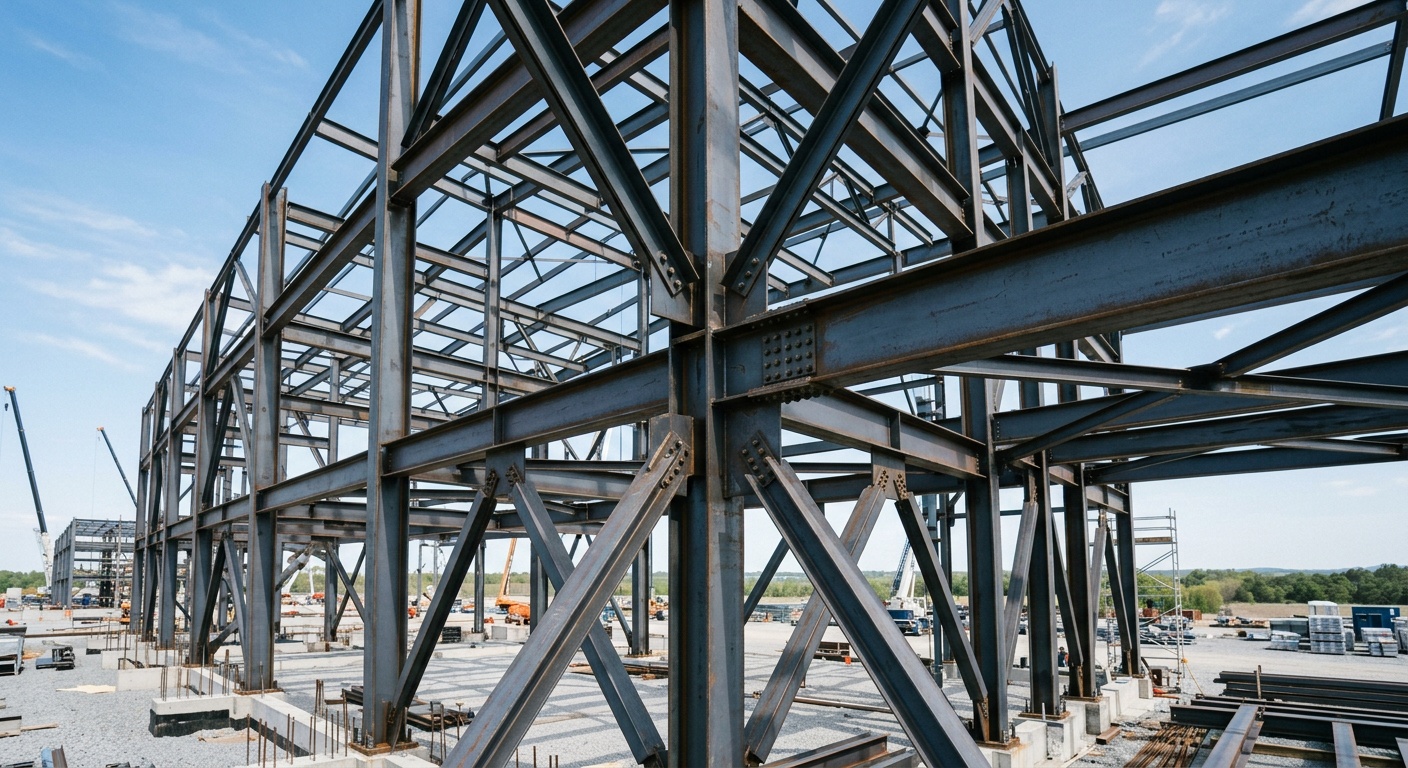
Structural Steel vs Concrete Framing for Commercial Building Projects: Making the Right Call in 2026
Reading time: 9 minutes
Table of Contents
- The Framing Decision That Shapes Everything Else
- Structural Steel: Speed, Strength, and Flexibility
- Concrete Framing: Mass, Durability, and Fire Resistance
- Cost Comparison: What the 2026 Numbers Actually Show
- Case Studies: Three Real-World Framing Decisions
- Common Challenges and How to Overcome Them
- Your Roadmap Forward
- FAQs
The Framing Decision That Shapes Everything Else
Ever stood in front of a set of preliminary drawings and felt the weight of a decision that hasn’t even happened yet? Choosing between structural steel and concrete framing is exactly that moment. It’s not just a materials choice—it’s a decision that ripples through your schedule, your budget, your insurance premiums, and even how the building performs during a wind event or a five-alarm fire twenty years from now.
Here’s the straight talk: there’s no universally “better” material. There’s only the material that’s better for your specific project, given your site conditions, timeline pressure, local labor market, and long-term ownership goals. Let’s break down what actually matters when you’re standing at this fork in the road.
According to the American Institute of Steel Construction’s 2025 market survey, structural steel now accounts for roughly 46% of new low-rise commercial construction starts in North America, while cast-in-place and precast concrete systems collectively hold about 41%, with the remainder split among hybrid and mass timber systems. That near-even split tells you something important: this is genuinely a close call for many projects, not a foregone conclusion.
Structural Steel: Speed, Strength, and Flexibility
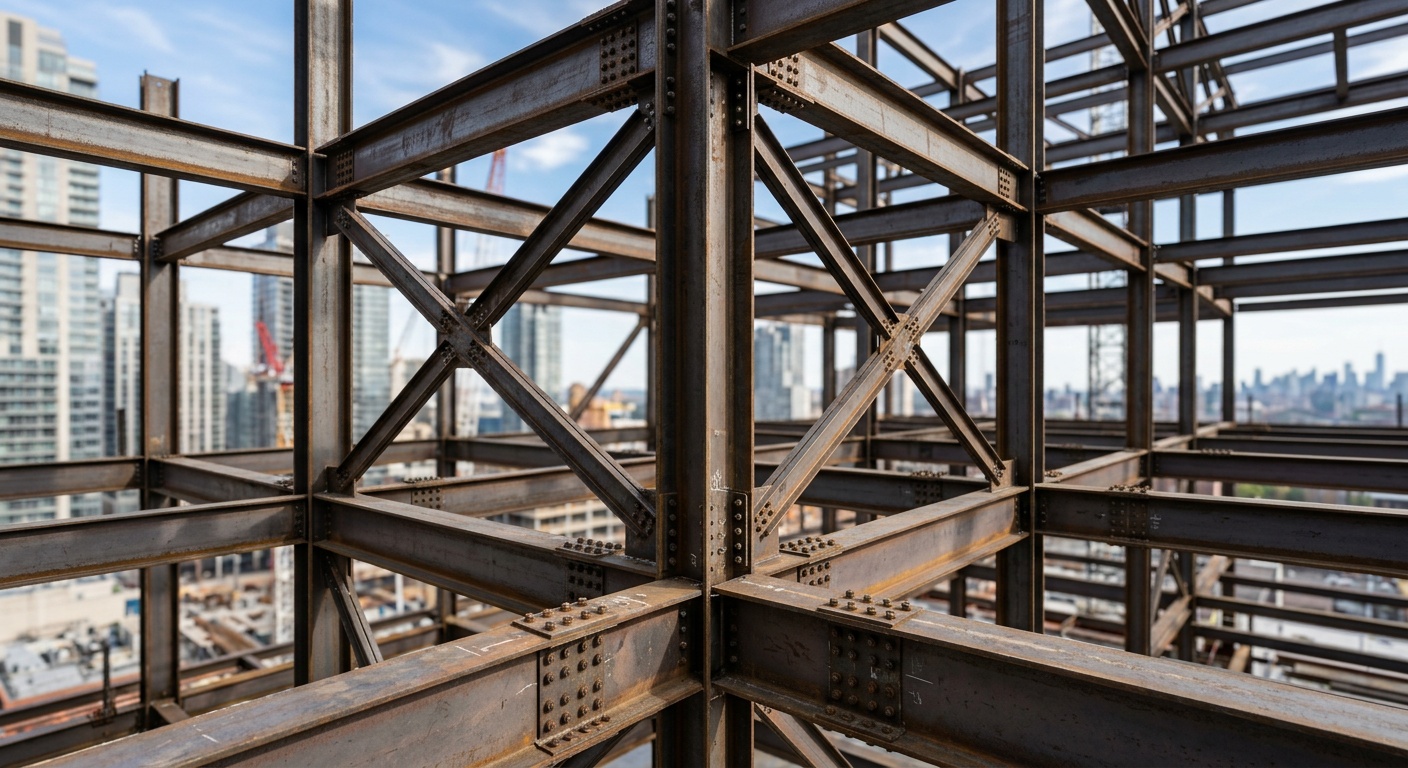
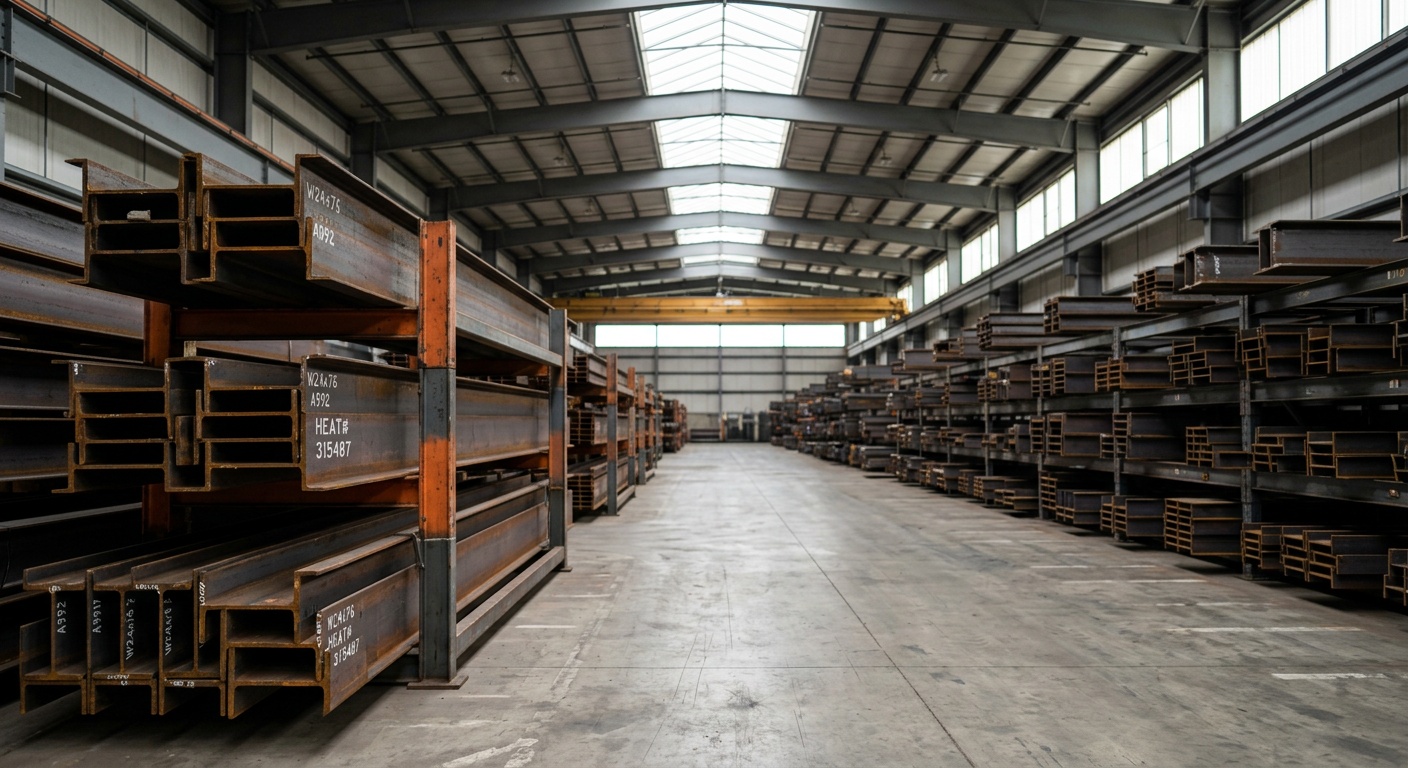
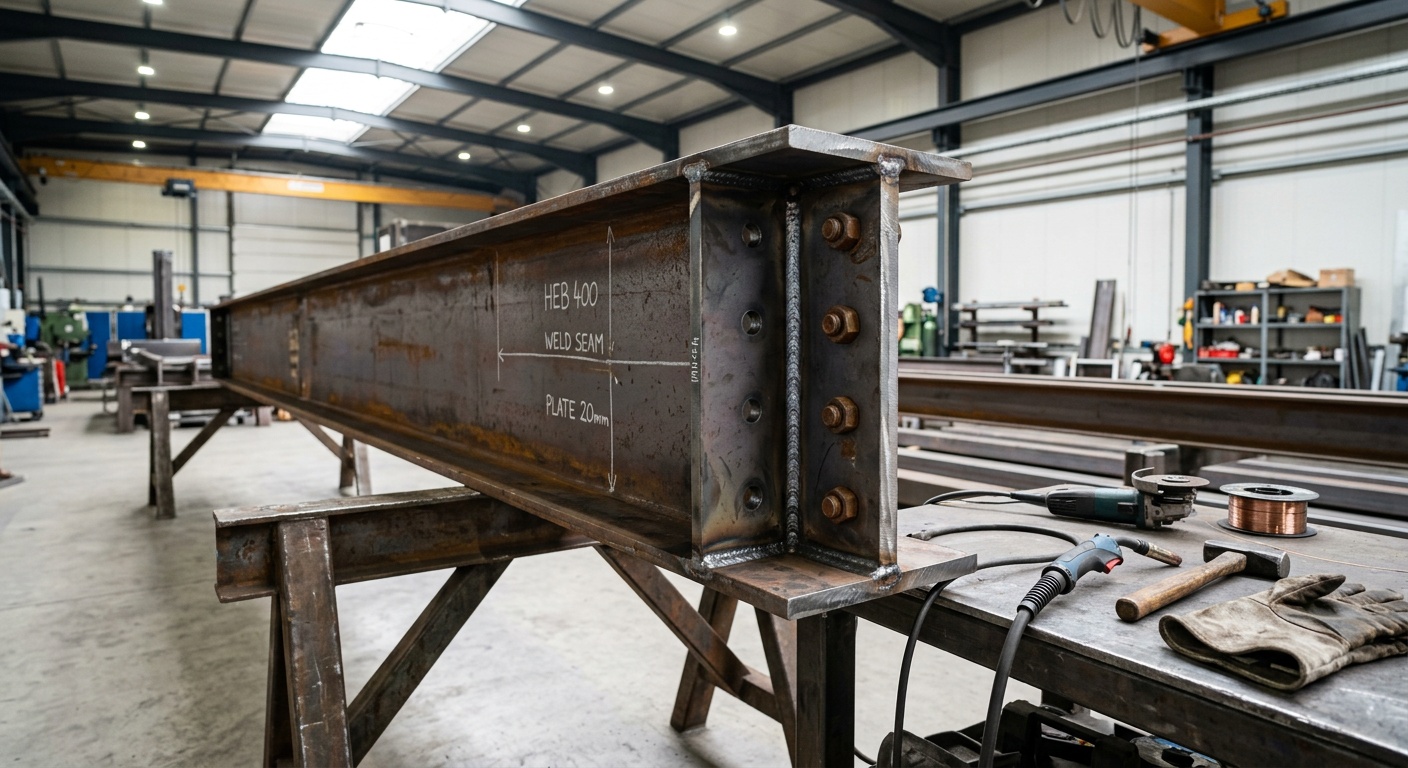
Steel framing has long been the darling of developers chasing tight construction schedules. Prefabricated steel members arrive on site ready for erection, which means less weather dependency and fewer curing delays.
Why Contractors Keep Choosing Steel
The biggest draw in 2026 remains speed. A mid-rise steel-framed office building can typically be erected 20-30% faster than an equivalent concrete structure, according to data compiled by the Construction Industry Institute. That translates directly into earlier occupancy and faster return on investment—a critical factor when construction loans are still carrying elevated interest rates this year.
Steel also offers superior strength-to-weight ratio, which matters enormously on constrained urban sites or where foundation loads need to be minimized. Long clear spans are easier to achieve, giving architects more design freedom for open floor plans, which retail and office tenants increasingly demand.
Where Steel Falls Short
Steel isn’t without its headaches. Price volatility has been a persistent thorn—hot-rolled coil steel prices swung by nearly 18% over a twelve-month stretch in 2025, according to the Steel Manufacturers Association, forcing project managers to build larger contingencies into their budgets. Fireproofing requirements also add cost and labor, since unprotected steel loses structural integrity rapidly under sustained high heat.
Concrete Framing: Mass, Durability, and Fire Resistance
Concrete has been the quiet workhorse of commercial construction for over a century, and 2026 hasn’t dulled its appeal—if anything, sustainability pressures have renewed interest in low-carbon concrete mixes that reduce embodied carbon by up to 30%.
The Case for Concrete
Concrete’s mass gives it inherent advantages in sound dampening, thermal performance, and fire resistance—qualities that matter enormously for multifamily-over-retail buildings, hospitals, and data centers. Insurance underwriters often reward concrete structures with lower premiums specifically because of superior fire ratings without additional fireproofing assemblies.
Maintenance costs also tend to run lower over a 40-50 year building lifecycle, since concrete doesn’t corrode the way exposed steel can in humid or coastal environments.
The Trade-offs Developers Must Accept
The trade-off is time. Cast-in-place concrete requires formwork, curing, and sequential pours, which can stretch schedules considerably compared to steel erection. Precast concrete narrows that gap but introduces its own logistics challenges around transport and crane scheduling. Weather sensitivity during pours remains a real constraint, particularly in northern climates where cold-weather concreting adds cost and complexity.
Cost Comparison: What the 2026 Numbers Actually Show
Numbers tell the story better than generalities. Here’s how the two systems typically compare across key project metrics based on 2026 regional construction cost data.
| Metric | Structural Steel | Concrete Framing |
|---|---|---|
| Avg. cost per sq ft (mid-rise office) | $38-$46 | $34-$42 |
| Typical erection speed | 4-6 weeks (mid-rise) | 7-10 weeks (mid-rise) |
| Fire resistance rating (unprotected) | Low (needs fireproofing) | High (inherent) |
| Price volatility (12-month swing, 2025) | ~18% | ~9% |
| Estimated maintenance cost (30-yr) | Moderate-High | Low-Moderate |
Visualizing the Schedule Gap
Schedule impact is often the deciding factor for developers under financing pressure. Here’s a simplified comparison of average construction duration for a 100,000 sq ft mid-rise commercial building:
Case Studies: Three Real-World Framing Decisions
Case 1: A Downtown Office Tower in Austin. A 2025-2026 developer chose steel framing for a 12-story office tower specifically because financing terms rewarded early occupancy. The faster erection timeline shaved nearly two months off the schedule, allowing the building to open ahead of a competing project three blocks away—capturing anchor tenants first.
Case 2: A Coastal Mixed-Use Development in Tampa. Facing strict hurricane-zone building codes and insurance requirements, the developer opted for cast-in-place concrete. The added mass and wind resistance reduced windstorm insurance premiums by an estimated 22% compared to a steel alternative, offsetting the longer construction timeline over a 10-year hold period.
Case 3: A Distribution Center in Ohio. This 2026 warehouse project used a hybrid approach—concrete tilt-up walls paired with a steel roof structure—capturing steel’s long-span efficiency for the roof while leveraging concrete’s low cost and durability for the perimeter walls. The hybrid approach came in nearly 8% under the steel-only budget estimate.
Common Challenges and How to Overcome Them
Challenge 1: Budget Uncertainty from Material Price Swings
Both materials have shown volatility in recent years, but steel has historically swung harder. Practical fix: lock in material pricing through early procurement agreements or price-escalation clauses with suppliers before finalizing your GMP contract. Many general contractors in 2026 are negotiating steel futures contracts to hedge against mid-project spikes.
Challenge 2: Labor Availability
Skilled ironworkers and finish concrete crews are both in short supply in many metro markets. A 2025 Associated General Contractors workforce survey found that 78% of contractors reported difficulty filling craft positions. Practical fix: engage your framing subcontractor during preconstruction, not after design is finalized, so labor availability actually informs your material choice rather than derailing your schedule after the fact.
Challenge 3: Sustainability and Embodied Carbon Reporting
With more municipalities requiring embodied carbon disclosures in 2026, developers face pressure to justify their material choice on environmental grounds. Practical fix: request Environmental Product Declarations (EPDs) from both steel and concrete suppliers early, and consider low-carbon concrete mixes or recycled-content steel to meet disclosure thresholds without abandoning your preferred system.
As one structural engineer at a national design firm put it during a 2026 industry panel: “The best framing decision isn’t the cheapest one on paper—it’s the one that survives contact with your actual site, your actual schedule, and your actual risk tolerance.”
Your Roadmap Forward
Choosing between structural steel and concrete framing isn’t a coin flip—it’s a strategic exercise that rewards early, honest analysis. Here’s your practical checklist before locking in a decision:
- Map your schedule pressure first. If financing costs or lease commitments demand fast occupancy, steel’s erection speed often wins the argument outright.
- Quantify your fire and insurance exposure. Run the numbers with your insurance broker before assuming steel’s flexibility outweighs concrete’s premium savings.
- Get real procurement quotes, not historical averages. 2026 material pricing is too volatile for last year’s cost-per-square-foot assumptions to hold up.
- Consider a hybrid system. Many of the best-performing 2026 projects blend both materials strategically rather than picking one exclusively.
- Loop in your structural engineer during preconstruction, not after schematic design—material choice affects foundation design, span layout, and MEP coordination far earlier than most owners expect.
The steel-versus-concrete debate will keep evolving as low-carbon concrete mixes and mass-produced modular steel systems mature over the next few years, but the fundamentals of this decision—speed, cost, resilience, and risk—aren’t going anywhere. So, which of these five factors matters most for your next project, and have you actually run the numbers yet, or are you still working off assumptions from your last build?
FAQs
Is structural steel always faster to build than concrete?
Generally yes, particularly for mid-rise and long-span structures, since steel arrives prefabricated and ready for erection. However, cast-in-place concrete can sometimes close the gap on smaller, simpler footprints where formwork logistics are minimal.
Which material holds up better in extreme weather?
Concrete typically performs better in high-wind and coastal environments due to its mass and inherent resistance, while steel can be engineered for seismic flexibility in earthquake-prone regions. The right choice depends heavily on your specific regional hazard profile.
Does concrete really cost less than steel in 2026?
It depends on the project type and region. Concrete has shown lower price volatility recently, but steel can be more cost-effective for projects requiring long clear spans or lighter foundations. Always request current local quotes rather than relying on national averages.