Key Steps in the Structural Steel Fabrication Process Explained
Reading time: 9 minutes
Table of Contents
- Why Fabrication Sequencing Still Trips Up Projects in 2026
- Stage One: Design Translation and Detailing
- Stage Two: Material Procurement and Cutting
- Stage Three: Fitting, Welding, and Assembly
- Stage Four: Finishing, Coating, and Quality Control
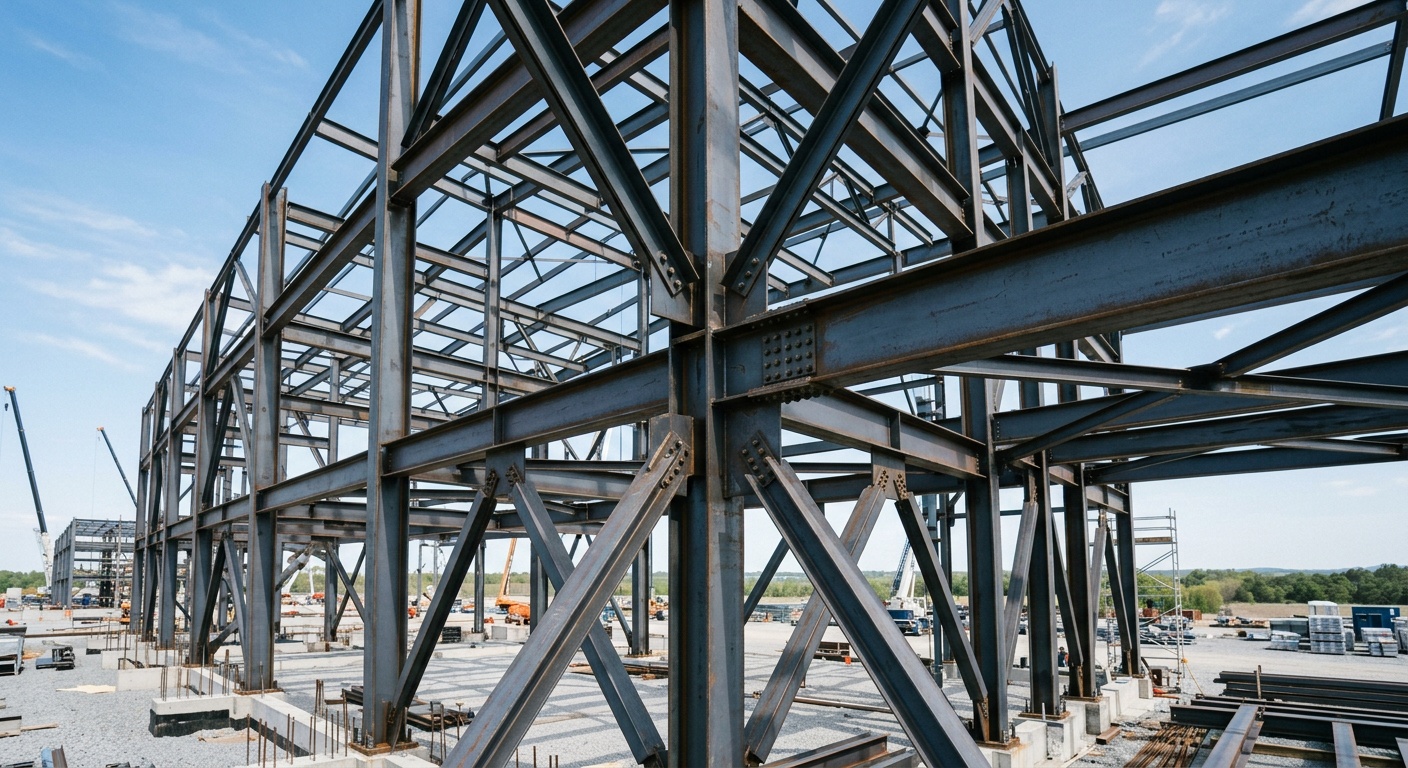
- Stage Five: Delivery and Site Erection
- Comparing Fabrication Approaches
- Where the Time Actually Goes
- Common Bottlenecks and How Fabricators Solve Them
- FAQs
- Your Fabrication Roadmap Forward
Why Fabrication Sequencing Still Trips Up Projects in 2026
Ever watched a steel delivery show up on site three weeks late, only to learn the delay started with a single missed detail drawing? You’re not alone. Structural steel fabrication looks straightforward from the outside—raw steel goes in, finished beams and columns come out—but the process is a tightly choreographed sequence where one misstep ripples through the entire schedule.
In 2026, with steel mill lead times still fluctuating due to tariff adjustments and regional demand spikes in data center and renewable energy construction, fabricators are under more pressure than ever to nail every stage the first time. According to the American Institute of Steel Construction’s 2026 market outlook, structural steel demand tied to industrial and infrastructure projects has grown roughly 6.8% year-over-year, meaning fabrication shops are running closer to capacity than at any point since 2019.
Here’s the straight talk: mastering fabrication isn’t about having the fanciest CNC plasma cutter on the floor—it’s about controlling the sequence, the tolerances, and the handoffs between stages. Let’s break it down.
Stage One: Design Translation and Detailing
Every fabrication job starts long before a torch is lit. Structural engineers produce design drawings, but fabricators can’t work directly from those—they need shop drawings, sometimes called detail drawings, that specify exact dimensions, bolt hole placements, weld symbols, and connection types for every single piece.
This is where detailers, often using software like Tekla Structures or SDS/2, model the entire structure in 3D. A mid-sized commercial project might generate 400 to 900 individual shop drawings. Miss a single connection detail here, and you could be re-cutting an entire batch of beams weeks later.
Why This Stage Gets Underestimated
Many project owners assume detailing is a quick administrative step. In reality, detailing errors account for an estimated 30% of costly rework incidents in steel fabrication, according to a 2025 survey by the Steel Erectors Association. A Midwest fabricator I spoke with last year described a warehouse project where a single misread column base plate detail delayed erection by nine days—all traceable to a rushed detailing review.
Practical Tip
Insist on a formal detailing review with both the structural engineer and the fabricator before cutting begins. It adds a few days upfront but routinely saves weeks downstream.
Stage Two: Material Procurement and Cutting
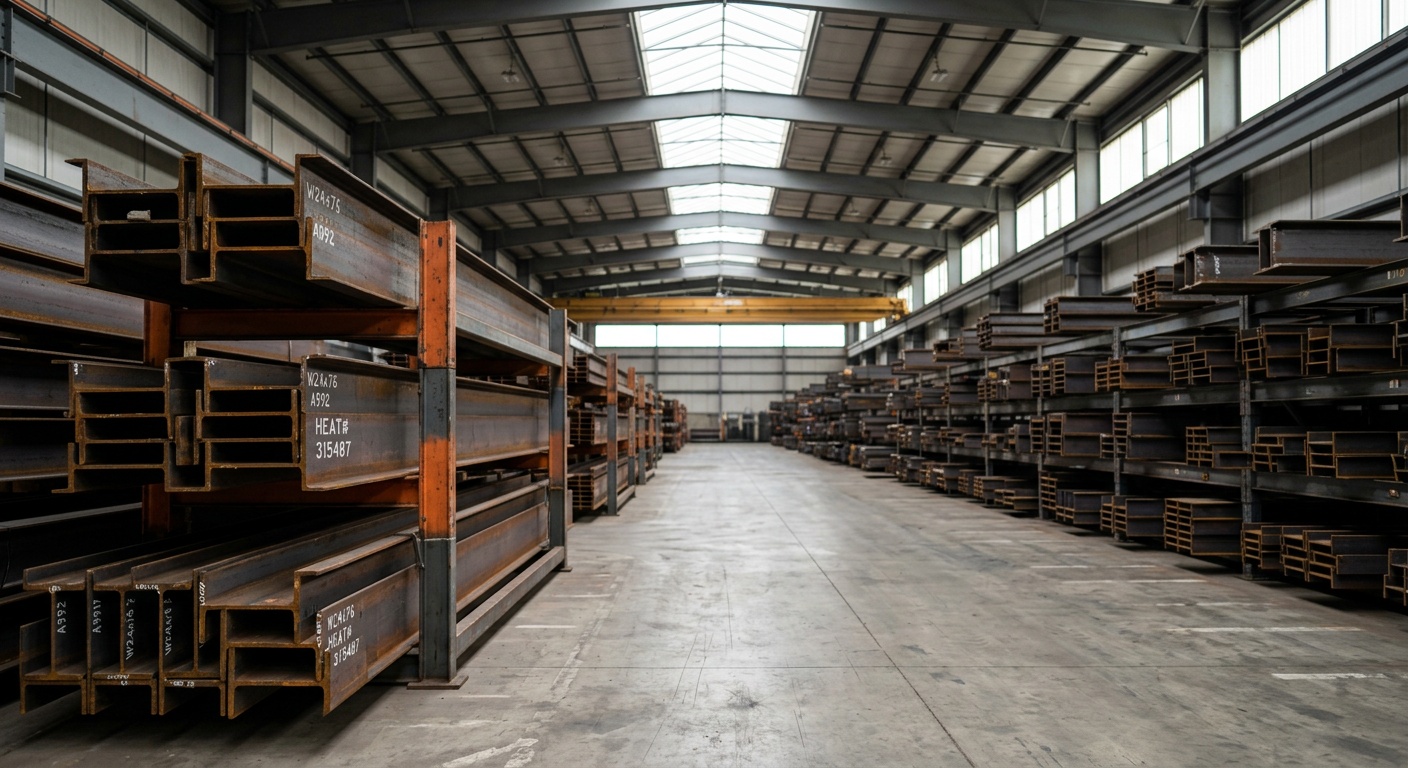
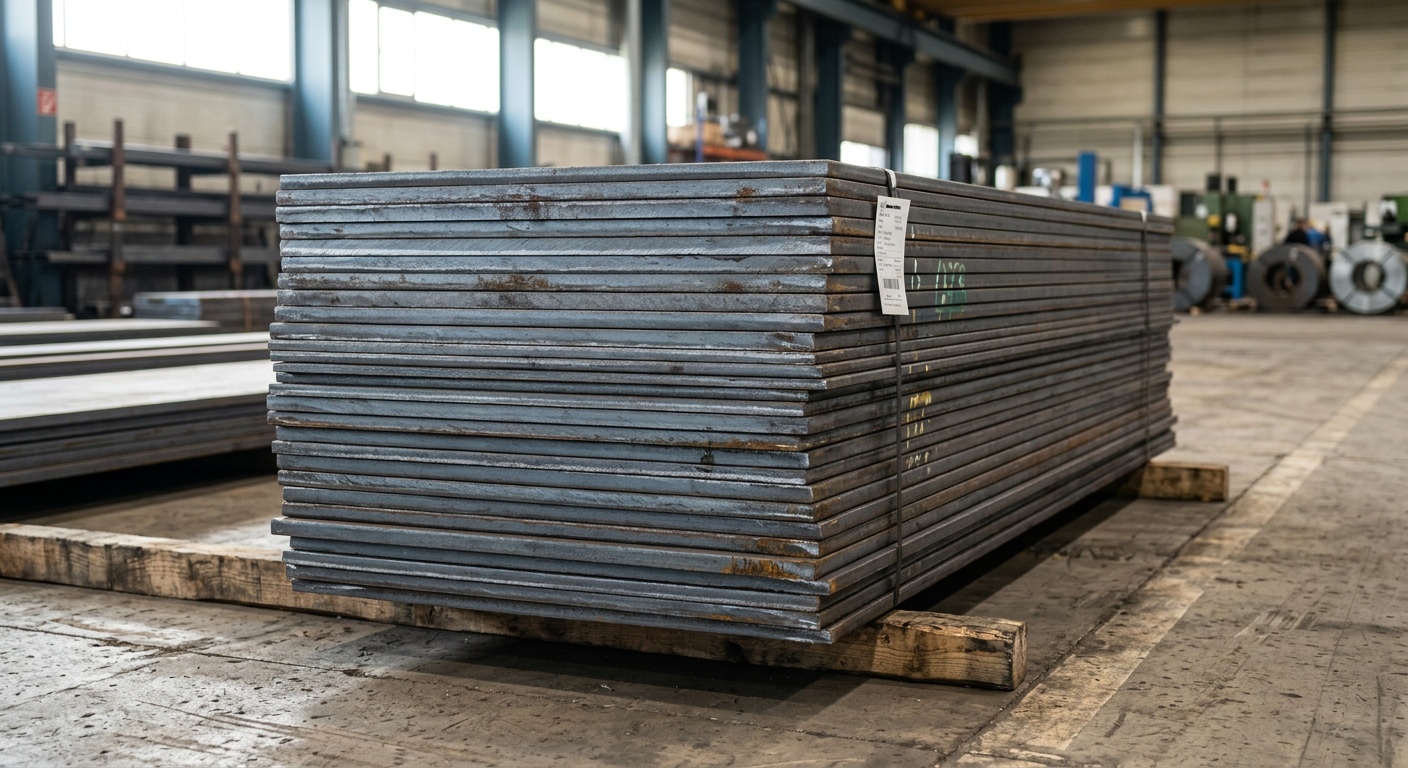
Once shop drawings are approved, procurement kicks in. Fabricators order raw steel—plates, wide-flange beams, angles, and channels—based on the detailed cut list. In 2026, lead times for certain structural shapes still stretch to 6-10 weeks depending on mill availability, so experienced fabricators often place mill orders before final drawing approval, accepting some risk to protect the schedule.
Cutting itself has evolved significantly. Most shops now rely on CNC plasma or laser cutting tables that read detailing files directly, cutting steel to within a tolerance of 1/16 inch. This automation has reduced manual cutting errors by an estimated 40% compared to a decade ago, based on industry benchmarking from the Fabricators and Manufacturers Association.
Stage Three: Fitting, Welding, and Assembly
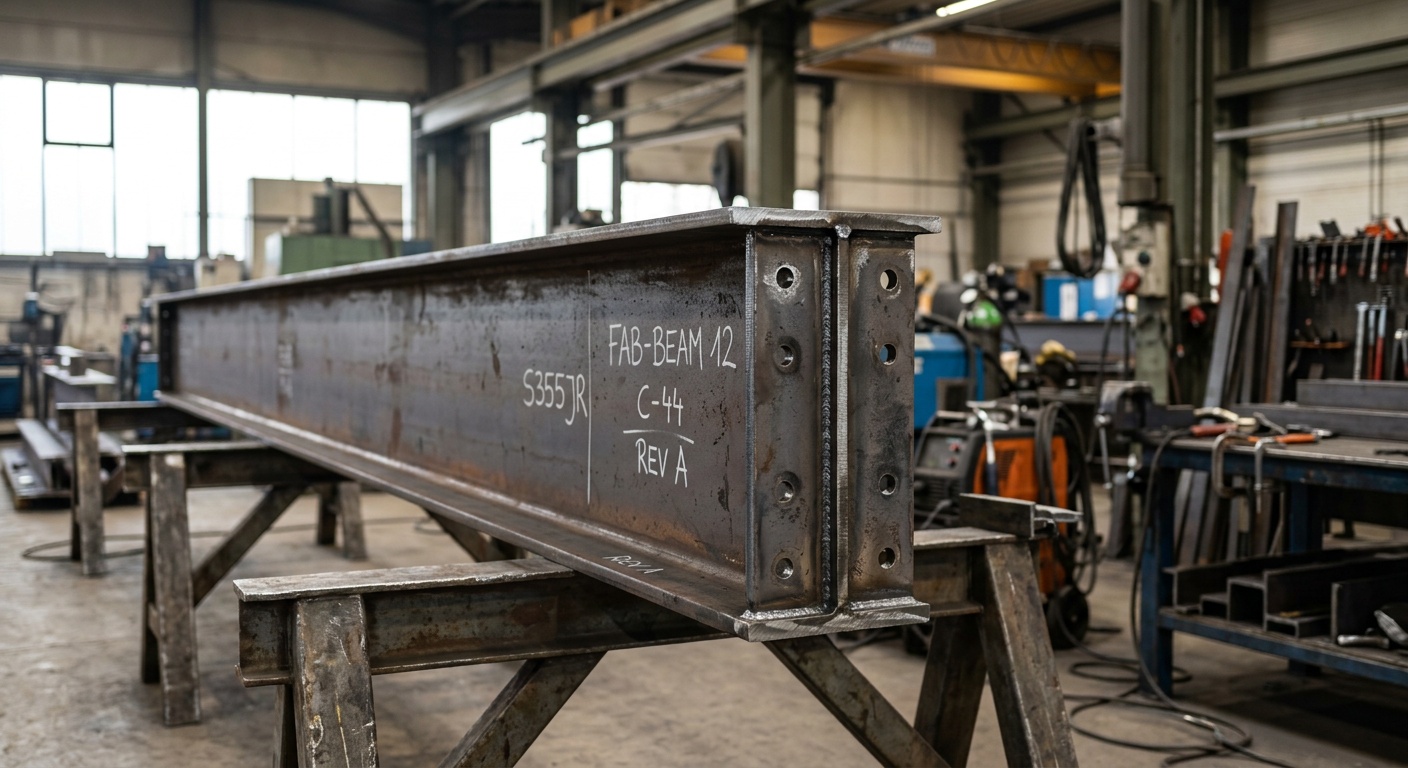
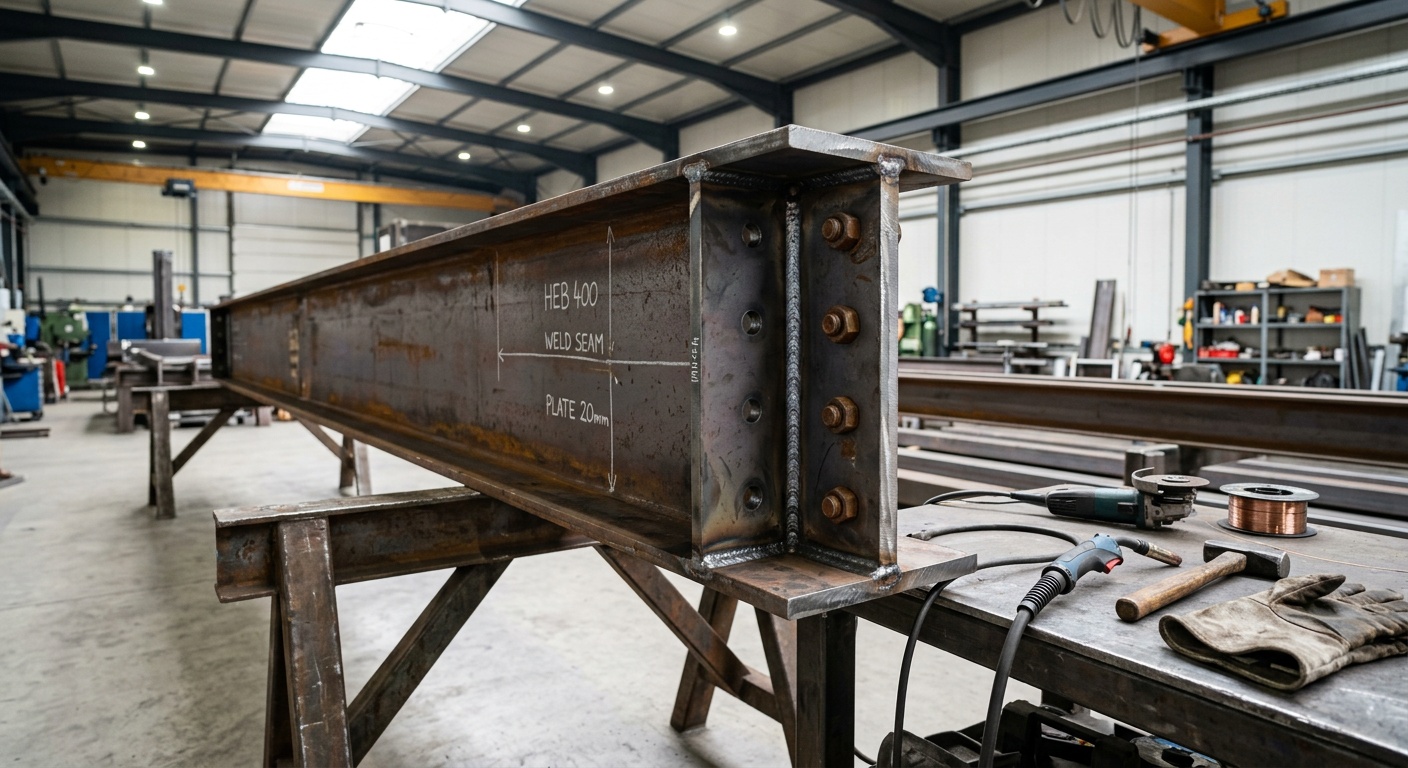
This is the heart of fabrication. Cut pieces move to fitting stations where fitters assemble components according to the shop drawings, tack-welding them into position before certified welders complete structural welds. Welders must typically hold AWS D1.1 certification, and larger commercial jobs require third-party weld inspection.
Consider a real-world scenario: a 2026 logistics warehouse expansion in Texas required over 1,200 moment connections, each needing full-penetration welds. The fabricator implemented a two-person verification system—one fitter, one independent checker—before any weld was finalized. The result was a 22% reduction in weld rework compared to their previous project of similar scale.
Bolted vs. Welded Connections
Not everything gets welded in the shop. Many connections use high-strength bolts, especially for field connections that erectors will assemble on-site. The choice between bolting and welding affects both fabrication speed and erection complexity, and experienced project managers weigh this early in the design phase rather than leaving it as an afterthought.
Stage Four: Finishing, Coating, and Quality Control
Once assembled, steel components typically move through finishing—grinding welds smooth, cleaning surfaces, and applying protective coatings. Depending on the project’s environment, this might mean a simple shop primer or a full hot-dip galvanizing process for corrosion resistance in coastal or industrial settings.
Quality control isn’t a single checkpoint—it’s woven throughout fabrication, but final inspection is where dimensional accuracy, weld integrity, and coating thickness get formally verified against AISC and project specifications. Reputable shops maintain certification under the AISC Quality Certification Program, which in 2026 covers roughly 68% of major structural fabricators in North America.
Stage Five: Delivery and Site Erection
Fabrication doesn’t end when steel leaves the shop. Pieces are marked, sequenced, and loaded in the exact order erectors will need them on site—loading a truck incorrectly can mean cranes sitting idle while workers dig through a load for the right beam. Logistics coordination has become increasingly sophisticated, with some fabricators now using barcode or RFID tracking to match every piece to its erection sequence in real time.
Comparing Fabrication Approaches
Not all fabrication workflows are created equal. Here’s how three common approaches stack up across key metrics relevant to 2026 project timelines.
| Approach | Typical Lead Time | Rework Rate | Best Suited For |
|---|---|---|---|
| Traditional Manual Fabrication | 10-14 weeks | 12-18% | Small, custom, or one-off jobs |
| CNC-Automated Fabrication | 6-9 weeks | 4-7% | Mid-to-large commercial projects |
| BIM-Integrated Fabrication | 5-8 weeks | 2-4% | Complex, high-rise, or multi-trade builds |
| Modular Off-Site Fabrication | 8-12 weeks | 3-6% | Repetitive structures, remote sites |
Where the Time Actually Goes
Understanding how project time is distributed across fabrication stages helps set realistic expectations. Here’s a rough breakdown based on 2026 industry data for a typical mid-sized commercial project.
Common Bottlenecks and How Fabricators Solve Them
Challenge One: Detailing Errors Discovered Too Late
When errors surface during welding rather than during design review, the cost multiplies. Leading shops now use clash detection software during the BIM modeling phase, catching roughly 85% of connection conflicts before any steel is cut.
Challenge Two: Material Shortages and Price Volatility
With structural steel pricing still swinging 8-15% within a single quarter in early 2026, fabricators increasingly lock in material contracts early and build contingency buffers into project bids rather than absorbing surprise cost spikes mid-project.
Challenge Three: Skilled Labor Shortages
Certified welders remain in short supply. The American Welding Society estimates the U.S. alone needs over 300,000 additional skilled welders by 2027. Fabricators are responding with in-house apprenticeship programs and increased investment in robotic welding for repetitive joint work, freeing certified welders for complex connections.
Frequently Asked Questions
How long does structural steel fabrication typically take?
For a mid-sized commercial project in 2026, expect 6 to 10 weeks from approved shop drawings to delivery-ready steel, though complex or highly customized structures can extend beyond 12 weeks depending on mill lead times and connection complexity.
What’s the difference between fabrication and erection?
Fabrication happens in a controlled shop environment where raw steel is cut, welded, and finished into structural components. Erection is the on-site process of lifting, positioning, and connecting those fabricated pieces to form the actual building frame.
Do all structural steel fabricators need AISC certification?
It’s not legally mandatory everywhere, but most public projects and many private developers require AISC Quality Certification as a condition of contract, since it verifies consistent quality control processes throughout fabrication.
Your Fabrication Roadmap Forward
Structural steel fabrication will keep evolving as digital modeling, robotic welding, and tighter material markets reshape how shops operate through 2026 and beyond. If you’re managing or specifying a steel project, here’s your practical checklist:
- Lock in detailing review early—treat shop drawing approval as a formal milestone, not a formality.
- Place material orders proactively once design intent is confirmed, even before every drawing is finalized.
- Verify welder certifications and inspection protocols before fabrication begins, not after issues surface.
- Ask your fabricator about AISC certification status and their rework rate history on comparable projects.
- Coordinate delivery sequencing with your erection team weeks in advance to avoid costly crane idle time.
Steel fabrication has always rewarded precision over speed, and that principle isn’t changing anytime soon. Whether you’re an engineer, a contractor, or a project owner, understanding these stages puts you in a stronger position to ask the right questions and catch problems before they become expensive ones.
So the next time you see a steel frame rising against the skyline, ask yourself: how many of these five stages went exactly to plan—and what would it take to make that six for six on your next project?